
The Rise Of A Racquet Sport Turned Lifestyle Offering
Padel has moved far beyond being a casual pastime. It has become a thriving business opportunity across South Africa, drawing interest from entrepreneurs, investors and property developers alike. We wanted to understand what is driving this growth and why the game has become such a powerful lifestyle movement.
What Is Padel And How It Grew So Quickly
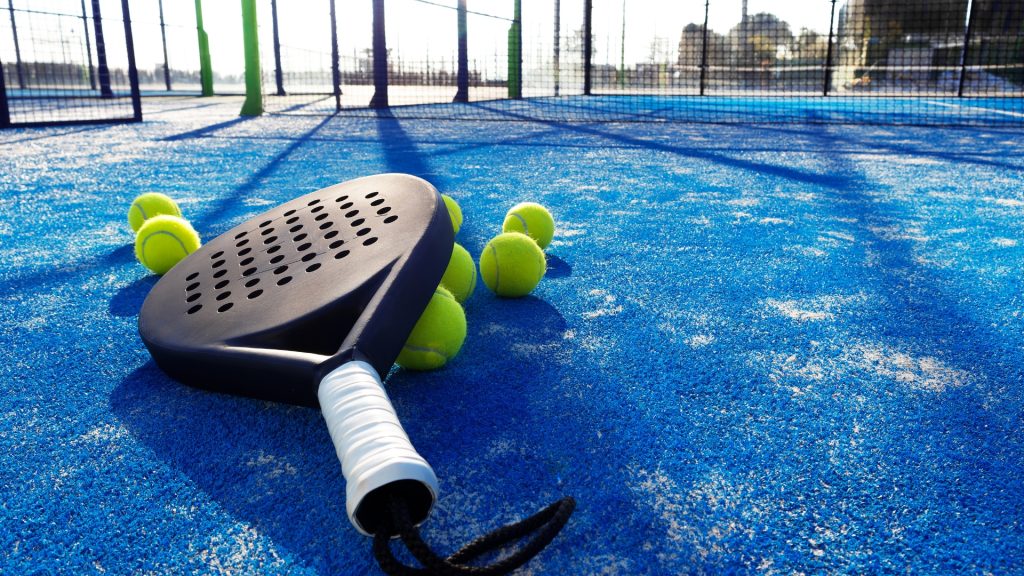
Padel blends tennis and squash into one fast-paced and highly social sport. It is played on a smaller court with glass walls that keep the ball in play for longer rallies. The result is a fun and competitive experience that is easy to learn and hard to stop playing once you start.
In South Africa, padel has grown at a remarkable rate. There are now courts in most major cities and an increasing number in smaller towns. Developers, fitness clubs and lifestyle estates are adding courts as part of their offering, while local businesses are discovering new ways to profit from the sport’s popularity.

Why The Business Case Is Strong
Several factors make padel an attractive business in South Africa.
Easy To Learn And Accessible
Unlike tennis, padel requires less technical skill to start enjoying the game. Almost anyone can play within a few minutes, which means a much broader audience. The game is social and played in doubles, making it perfect for families, friends and corporate groups.
Rising Investment And Development
Building a padel court costs less than many other sports facilities and can generate steady income through bookings, memberships and events. Developers have realised that including padel courts in residential or mixed-use projects increases overall appeal. Fitness chains, country clubs and independent investors are following suit, creating an expanding network of courts across the country.
Lifestyle Appeal
Padel has become as much about connection as it is about sport. The courts are social spaces where people play, relax and network. Cafes and lounges often form part of the setup, turning each visit into a lifestyle experience. That mix of recreation and community is what keeps players coming back.
Market Timing
The rise of padel aligns with South Africa’s growing focus on health, outdoor living and social fitness. As more people look for enjoyable and inclusive activities, the sport fits naturally into this shift. It offers exercise without intimidation and community without pressure.
Challenges To Consider
Like any fast-growing industry, the padel business has its challenges. Setting up courts can be expensive when factoring in land, lighting and maintenance. Locations need visibility and accessibility to ensure consistent bookings. Overcrowding in some areas could also lead to competition that outpaces demand.
Another concern is keeping the sport inclusive. At present, padel often attracts a higher income audience, but expansion into more diverse areas could open the market further and ensure sustainable growth.

The Opportunity For Entrepreneurs And Brands
For entrepreneurs, padel is more than just court rentals. There are opportunities in coaching, event hosting, tournaments, equipment sales and brand sponsorships. Corporate wellness programs and team-building sessions are another growing segment.
Property developers are also recognising its value. A padel court adds lifestyle appeal and helps build community within residential estates or commercial spaces. For brands, the sport provides a vibrant setting to engage active and social consumers.
The Bottom Line
Padel in South Africa has quickly evolved from a trend into a serious business sector. It brings together sport, leisure and social experience in a way that few others do. The growth is being driven by accessibility, lifestyle value and smart investment from both local and international players.
What started as a small imported sport has turned into a new way of doing business and building community. The momentum is clear, and South Africa is just getting started.